TL:DR: Summary: An experienced estate planning attorney can help ensure that your plan executes your intentions and protects your family from unnecessary stress, cost, and conflict. When selecting an estate planner, consider factors such as specialization, location, communication, reputation, and transparency, and always trust your gut.
Choosing an estate planning attorney is one of the most important financial and personal decisions you’ll ever make. After all, this person isn’t just drafting documents; they’re helping you protect your legacy, care for your loved ones, and ensure your wishes are honored long after you’re gone.
But with so many attorneys out there, how do you know who’s right for you? The truth is, estate planning isn’t one-size-fits-all, and neither is the person who guides you through it. The right attorney will not only have the technical skills to create a solid, legally sound plan, but also the empathy, patience, and communication style to make the process understandable and even empowering.
In this guide, we’ll walk you through what to look for when choosing an estate planning attorney in California, plus some insider tips to help you avoid common pitfalls.
Why Choosing the Right Estate Planning Attorney Matters
Estate planning involves some of the most intimate and consequential decisions of your life: who inherits your assets, who will care for your children or pets, and how your health care and finances should be handled if you can’t make decisions yourself.
In California, these choices can be especially complex because of:
- Community property rules that impact married couples
- High real estate values that often trigger estate tax considerations
- Probate procedures that can be lengthy and expensive if not planned for
- Special planning needs for blended families, special-needs beneficiaries, or business owners
An experienced estate planning attorney helps you navigate these nuances, so your plan does exactly what you intend and protects your family from unnecessary stress, cost, and conflict.
Step 1: Look for an Attorney Who Specializes in Estate Planning
Not all attorneys are created equal, and not all practice areas are the same.
While many general practitioners “dabble” in estate planning, you’ll want someone who focuses exclusively (or nearly exclusively) on it. Estate planning involves constantly evolving laws, tax regulations, and planning strategies. Specialists stay up to date on changes and can offer more creative, tailored solutions than attorneys who handle a wide range of unrelated cases.
Questions to Ask:
- How much of your practice is dedicated to estate planning?
- Do you regularly handle trusts, trust administration, and estate planning?
- How often do you update your knowledge of California’s estate and tax laws?
Pro Tip: If you see that an attorney is a California State Bar “Certified Specialist” in Estate Planning, Trust & Probate Law, that’s a strong sign of advanced expertise.
Step 2: Make Sure They Understand California’s Unique Rules
Estate planning laws vary by state, and California has some of the most intricate rules in the country. A good estate planning attorney should be intimately familiar with:
- California’s community property rules and how they affect asset division between spouses
- Proposition 13 property tax rules and strategies to avoid triggering reassessment
- Probate code requirements and how to design your plan to avoid probate where possible
- Capital gains tax planning for high-value assets
- Special rules for blended families, same-sex couples, and unmarried partners
These details can dramatically impact how your plan works and whether your loved ones inherit what you intended.
Step 3: Choose Someone Who Listens First, Drafts Later
Your estate plan should reflect your values, priorities, and goals. That means your attorney needs to start by listening carefully, not rushing into “one-size-fits-all” solutions.
At Goff Legal, for example, we begin every client relationship with a discovery call to understand:
- Your family dynamics and relationships
- Your financial picture, from real estate to retirement accounts
- Your concerns about taxes, lawsuits, or disputes
- Your goals for charitable giving or leaving a legacy
Only after we fully understand your situation do we craft a personalized strategy. Look for an attorney who takes this kind of collaborative, client-centered approach.
Step 4: Evaluate Their Process and Support
Estate planning isn’t just about signing documents; it’s about creating a clear, actionable plan that works when it’s needed most.
A Good Attorney Will:
- Guide you through the entire process: From initial consultation to final signing.
- Instruct you on how to fund your trust: Without this crucial step, your carefully drafted trust may not work.
- Prepare for contingencies: Disability, incapacity, or unexpected changes in family circumstances.
- Offer ongoing updates: Laws change, and so do your life circumstances. Your plan should evolve with them.
Step 5: Assess Their Communication Style
Estate planning involves sensitive conversations, sometimes about topics we’d rather avoid, like death, money, and family conflict. The right attorney should:
- Speak in plain English, not legal jargon
- Encourage questions and answer them clearly
- Be patient when explaining complex concepts
- Keep you informed at every step
If you leave a consultation feeling more confused than when you arrived, that’s a red flag.
Step 6: Read Reviews and Ask for Referrals
Client experiences can offer valuable insight into how an attorney actually works.
- Read online reviews on Google, Avvo, and Yelp.
- Ask friends, family, or financial advisors for referrals.
- Request client references directly from the attorney, if you’d like firsthand feedback.
Look for patterns in the feedback. Are clients consistently praising the attorney’s responsiveness, thoroughness, and empathy? Or are they noting delays, poor communication, or a transactional feel?
Step 7: Look for a Local Presence and Community Roots
Especially in estate planning, local knowledge matters. An attorney familiar with your region understands:
- Local property values and tax concerns
- Regional probate court procedures
- Community resources for aging, caregiving, and philanthropy
At Goff Legal, we’re deeply rooted in the Rocklin and Roseville areas, and we regularly partner with local nonprofits, 55+ communities, and professional networks. We know the issues our neighbors face because we live them, too.
Step 8: Evaluate Fees Transparently
Estate planning is an investment in your family’s future. That doesn’t mean you should choose the cheapest option, but you should understand exactly what you’re paying for.
Ask for clear, upfront information about:
- Whether the attorney charges flat fees or hourly rates
- What’s included in the price (drafting, funding, follow-up reviews)
- Any potential additional costs, such as amendments or tax planning
The best attorneys will be transparent and proactive about cost, so you can make informed decisions without surprises. And you might find that the attorney needs to meet you before giving you a price. That is a good thing! Anyone who can promise a price without getting to know you should be a warning sign.
Step 9: Trust Your Gut
At the end of the day, estate planning is personal. You’ll be discussing intimate details of your family, your finances, and your future. You should feel:
- Comfortable sharing openly
- Confident in their expertise
- Supported throughout the process
If something feels off, keep looking. There’s an attorney out there who’s the right fit for you.
How Goff Legal Makes Estate Planning Simple
At Goff Legal, our experienced estate planning attorneys understand that estate planning can feel overwhelming, but it doesn’t have to be.
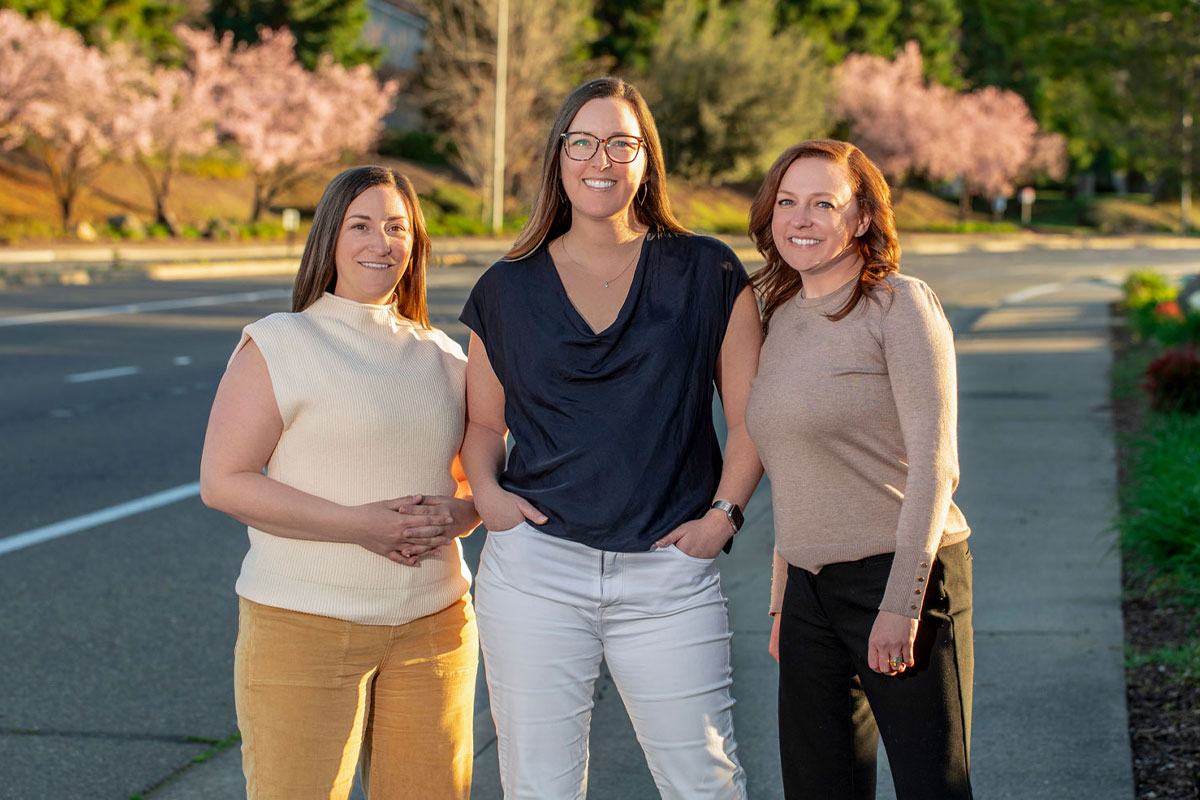
We’re a woman-owned boutique law firm serving the Roseville and greater Placer County community, and we’re passionate about helping Californians protect their legacies and care for their families.
Here’s what sets us apart:
- Personalized plans: No cookie-cutter templates — we design strategies based on your unique goals.
- Clear communication: We break down complex laws into plain English.
- Comprehensive support: From trust funding to ongoing reviews, we’re with you every step of the way.
- Community connection: We proudly support local nonprofits and educational events.
Common Mistakes to Avoid When Choosing an Estate Planning Attorney
- Choosing based on price alone: A bargain estate plan can cost your heirs thousands later, and worse, a lot of stress and confusion.
- Using an online template: California’s complex laws often make DIY plans ineffective or even invalid.
- Hiring a generalist: Estate planning requires specialized expertise.
- Not planning for updates: A “set it and forget it” approach doesn’t work when laws and lives change.
- Skipping the trust funding step: Without properly transferring assets into your trust, your plan may fail.
Schedule Your Free Discovery Call
At Goff Legal, our experienced estate planning attorneys make estate planning simple, clear, and empowering. Let’s sit down and talk about your goals, your concerns, and how we can build a plan that works for you and your family. Contact us if you have any questions about how to select the right estate planning attorney in California. Schedule your free discovery call to get started.
FAQS:
How do I know if an estate planning attorney is experienced enough for my situation?
Look for attorneys who focus primarily or exclusively on estate planning rather than general practice. In California, you can also check whether they’re a Certified Specialist in Estate Planning, Trust & Probate Law through the State Bar. Ask about their experience with clients who have situations similar to yours — for example, blended families, high-value estates, or business ownership.
What should I ask during my first consultation with an estate planning attorney?
Here are a few key questions to ask:
- How long have you been practicing estate planning in California?
- What strategies would you recommend based on my goals?
- Do you help instruct clients on trust funding?
- How do you stay updated on changes in California estate and tax laws?
- What happens if my circumstances or the law change? What is your process for updating my estate plan?
These questions will help you gauge whether the attorney’s expertise and approach are a good fit for your needs.
Is it better to hire a local attorney for estate planning?
Yes, especially in California. Local attorneys are more familiar with state-specific probate procedures, property tax rules, and regional resources. They also tend to have strong relationships with local professionals like financial advisors, accountants, and fiduciaries, which can make your overall planning smoother and more coordinated.
How much does an estate planning attorney cost in California?
Costs vary based on complexity, but many reputable firms, including Goff Legal, offer flat-fee pricing for most estate plans. This helps you avoid unexpected charges and know exactly what’s included, from drafting documents to trust funding. Always ask for a transparent breakdown of fees up front so you understand what you’re investing in.
Can I use an online estate planning service instead of hiring an attorney?
While online templates can seem appealing, they often fail to account for California’s complex laws, including community property rules, Proposition 13 property tax protections, and trust funding requirements. A poorly drafted or incomplete plan can lead to probate delays, tax headaches, or family disputes. Working with a qualified estate planning attorney ensures your plan is customized, compliant, and effective.
Goff Legal, PC is a woman-owned boutique California law firm dedicated to guiding clients through the complexities of Estate Planning, Trust Administration, and Probate. Led by attorney Alexandria “Ali” Goff, we provide personalized legal services designed to protect families, preserve legacies, and bring peace of mind.
Written by Goff Legal, PC